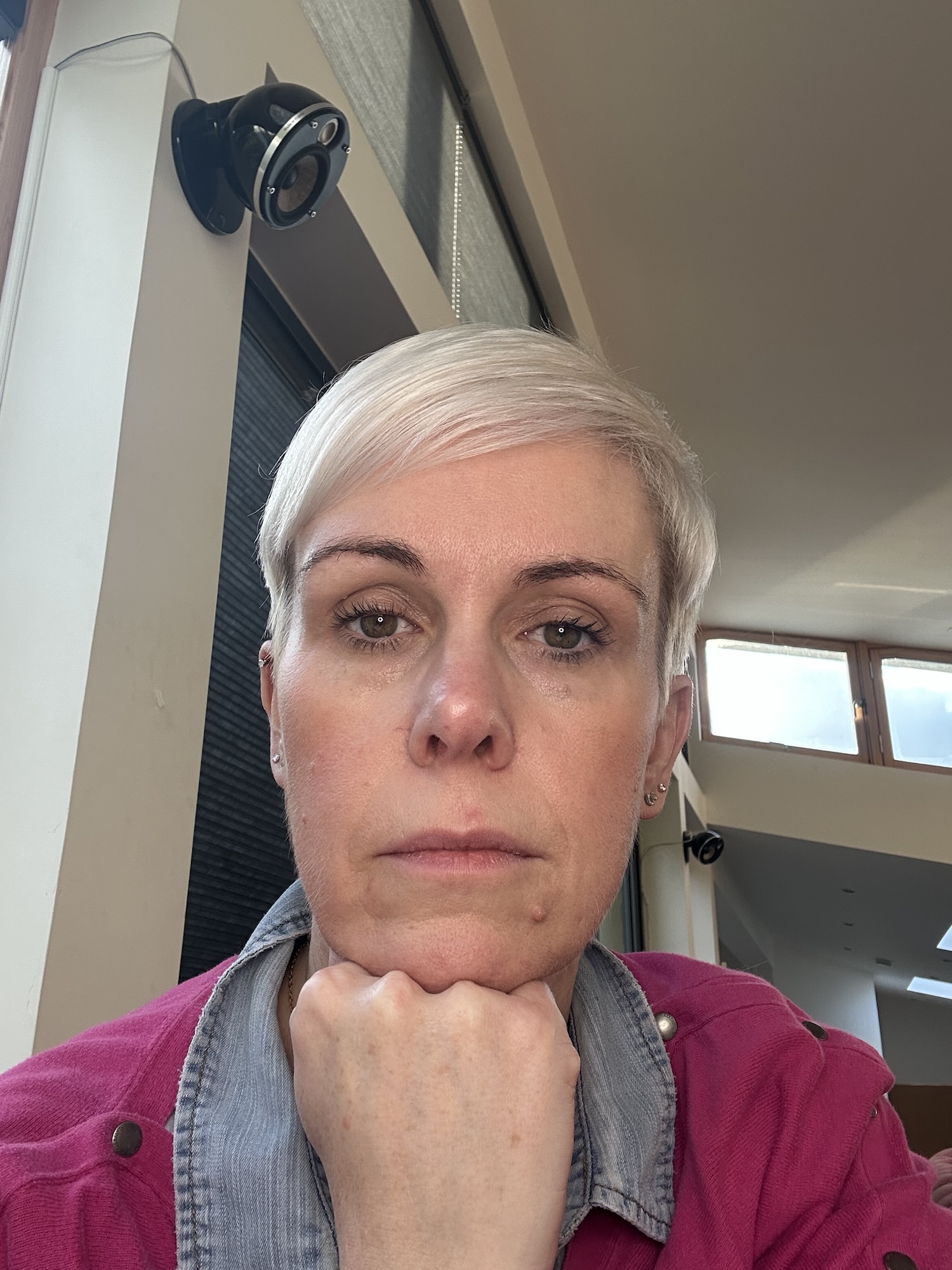
How often have you been advised to stop worrying or just let things be? Yet, when faced with a challenging interpersonal conflict, your emotional reaction can be so intense that it feels almost physical. It’s distressing, like an injury that you can actually sense within you.
Interestingly, when you sustain a physical injury, there’s a healing process that unfolds, leading to recovery. Sometimes the injury leaves a scar, and sometimes it doesn’t.
Recently, I experienced a wave of emotional turmoil due to interpersonal difficulties. Even after three days, I still felt a slight nausea in my stomach. The first night, sleep eluded me, and by the second day, I was exhausted, teary, and melancholic. My focus wavered, forcing me to slow down. Today, I feel less fatigued but am prioritising self-care.
Here’s what’s been happening in my mind:
- I’ve been replaying the incident repeatedly. Initially, it was overwhelming, but thankfully, it’s starting to fade.
- I have had to confront my genuine feelings about the situation: hurt, anger and a sense of injustice.
- I realise that these feeling are generated by my mind and body, not the incident itself. This lingering mental impact belongs to me, even although I want to direct my blame towards the other person.
So how am I finding healing and what lessons am I uncovering?
1. Family bonds are invaluable. My little family have been incredibly supportive, helping me navigate my sadness.
2. Simple acts of kindness can have a profound effect. My colleagues have shown remarkable compassion. My nickname at work is Tigger, but this week, I’ve felt more like Eeyore. Their support has been a source of comfort.
3. Identifying my darker emotions has been beneficial. I named them: hurt, anger, and injustice, and I reflected on what I want from these feelings. Are they tied to my tendency to replay the situation? I believe so, as we often seek to understand and process our emotions.
In my mental replay of the event, if I’m honest, I want the other person to recognise the depth of my pain. My anger and feelings of injustice come from this desire. It’s as if I’m waiting for my emotional healing to rely on the perpetrator’s understanding of the damage done. But just like a when I get a paper cut, the paper doesn’t heal me, my body heals itself. In emotional distress, the other person cannot mend me, My body, mind and soul is capable of healing itself. However, if I were to confront the individual involved, I risk escalating the situation or unintentionally causing them harm. So, while I acknowledge my feelings, I also recognise the necessity of letting them go.
Does this make me weak?
I don’t believe so. I handled the situation to the best of my ability in the moment. A life coach once guided me to ask myself, “Is it kind? Is it necessary? Is it true?” when addressing conflicts. I made sure my actions aligned with this framework. I am recognising both my emotional and physical reactions to this event, allowing myself the space to heal, much like tending to any wound. I’m striving to be gentle and kind to myself. When thoughts about the situation resurface, I’m consciously redirecting my attention to my breath. Thank goodness for yoga! I’m working on establishing safe and compassionate boundaries for myself and with the individual involved. I genuinely wish them peace.
Ultimately, I’m learning that, just like a physical injury, I must nurture myself as I recover from this emotional pain. This healing process is within my control, as long as I approach it with kindness and resist the urge to play the blame game.
 Love you: Health and Well-being with Lorraine