
This week, I was learning about the effectiveness of setting short-term goals to enhance our nutrition and eating habits. This approach is not limited to food; it can be applied to all aspects of our well-being. For instance, establishing short-term objectives can help us achieve a desired fitness level, whether that’s training for a 5k or 10k, or returning to a sport or hobby after an injury or surgery. The possibilities are endless.
Another important takeaway from my week was the significance of the language we use when discussing these short-term goals. I often emphasise the importance of reframing our perspectives, and this week, it’s all about our narrative.
As summer draws near, it’s common to hear people declare they are “getting back into it” for vacations or wedding seasons—getting beach-ready! Another phrase often heard is, “No, I’m being good again,” which sounds anything but enjoyable.

One of the core tenets of the Love You Philosophy is to acknowledge the fluidity of life. Embrace the natural ebb and flow of your well-being journey. So how does this differ from the on/off mentality or the good/bad dichotomy? Those terms carry an all-or-nothing mindset, and the emotional toll of restarting can feel overwhelming. Phrases like “getting back on it” can feel punitive and daunting, leading to a desire to “get back off it” once the plane has landed (outbound). This cycle of starting and stopping can be exhausting and unsustainable in the long run.
Can we approach this differently?
I believe we can, and here’s how:
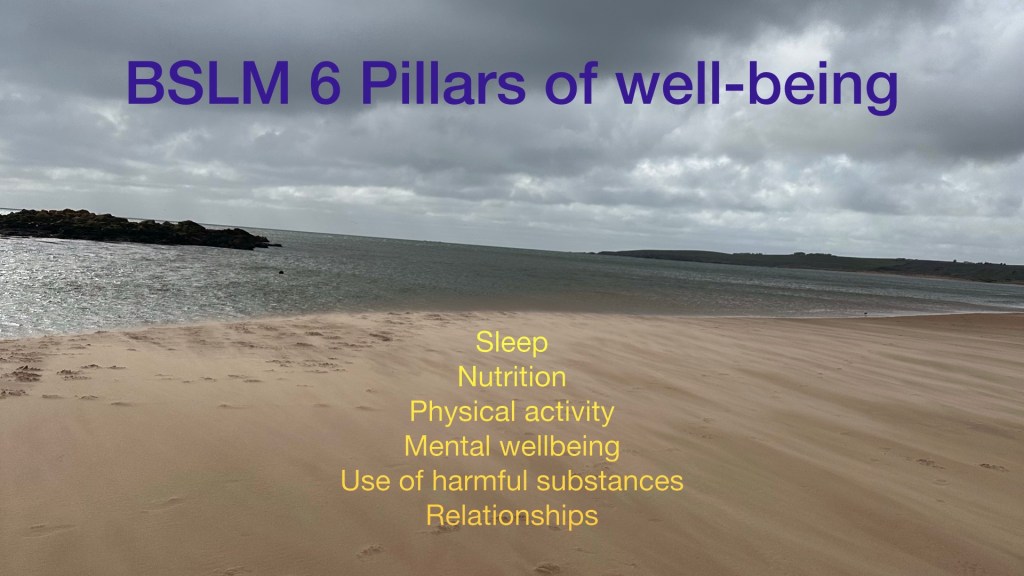
Make well-being a part of your identity; allow it to be woven into who you are. Recognising your worth in this area is crucial. Why does this matter? It transforms your relationship with yourself and opens you up to self-care. With this mindset, you can set long-term goals while focusing on short-term priorities across various pillars of well-being. When well-being is integral to your identity, there’s no need to switch on or off; rather, you simply prioritise different areas according to your current needs. It becomes a part of your daily routine, even when you’re on holiday (hopefully meaning you won’t come back to work to need a rest). Throughout different phases of life, your focus may shift between the 6 pillars or encompass them all.
What are my long-term goals?
My overarching aim has always been to maintain my health and fitness, ensuring I am not a burden to my daughters as they grow and I age. I remember being 39 when I had my second child, and I projected myself into the future, realising I needed to stay healthy for my girls and to be an active part of their lives.
Another long-term goal is my patients. I often reflect on the words of a senior partner from my previous practice, who said he would never ask anyone to do something he wouldn’t do himself. This principle keeps me grounded. It’s much easier for me to provide lifestyle advice when I genuinely practice it—and it’s essential that I don’t fall into an all-or-nothing mentality. Life happens, and we must embrace both our well-being and the natural ebb and flow of life.
What are my short-term focuses?
Right now, my goals include:
- Enhancing cardiovascular fitness, stamina, and strength.
- Reducing stress levels at work.
- Improving meal planning to minimize unhealthy snacking.
So, Love You: Integrate well-being into your identity, and enjoy crafting your short-term focus areas while keeping your long-term goals in sight.
 Love you: Health and Well-being with Lorraine